Payment


En





Payment

Bonus
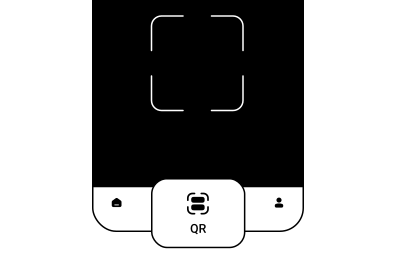
1
Open the m10 app and tap “QR” on the bottom panel
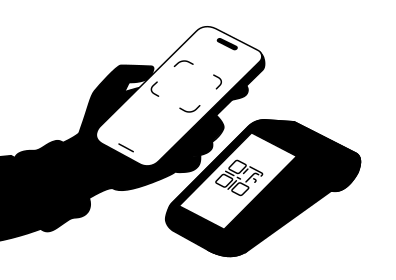
2
Tell the cashier you want to pay with m10, then scan the QR code

3
Confirm the payment and complete the purchase















Washing machine drains face a unique set of challenges. Unlike kitchen sinks that deal with grease or bathroom drains that battle hair, washer pipes are bombarded with a cocktail of lint, fabric fibers, undissolved detergent, and occasional "pocket treasures" like coins or tissues. Over time, these materials bond together, creating a stubborn, felt-like plug that prevents water from exiting the drum. The First Line of Defense
To avoid the mess of a backup, proactive maintenance is key. Installing a simple mesh lint trap on the end of the washer discharge hose can catch fibers before they ever enter the plumbing system. Additionally, using the correct amount of High-Efficiency (HE) detergent prevents the "scrub" buildup that acts as glue for lint. Conclusion unclogging washer drain pipe
For those who prefer a non-mechanical approach, a wet/dry vacuum offers an ingenious alternative. With the drain hose removed from the standpipe, seal the shop vac’s hose tightly around the pipe’s opening using a rag or duct tape. Set the vacuum to liquid mode and turn it on. The strong suction can often pull the clog backward out of the pipe, especially if the blockage is soft. This method works best on standpipes and short horizontal runs. It is both clean and satisfying to see the soggy plug of lint, hair, and soap scum appear inside the vacuum canister. Washing machine drains face a unique set of challenges
As she twisted and turned the snake, she felt resistance. She applied a bit more pressure, and suddenly, the snake moved freely. She pulled it out and saw that it was covered in lint and hair! She repeated the process a few times, making sure the pipe was clear. The First Line of Defense To avoid the
.svg)
Scan this QR code with your phone to download